

Packaging Insights reviews 2025: Tougher regulations, tariff uncertainty & greenwashing lawsuits
Key takeaways
- Global packaging rules tightened in 2025, with PPWR, EPR, and DRS schemes reshaping compliance and waste management.
- Tariffs, major mergers, and automation altered supply chains, costs, and packaging strategies.
- Greenwashing lawsuits and NGO scrutiny exposed gaps between sustainability claims and reality.
As another eventful year in the packaging industry comes to an end, we look back at the biggest events and highlights of 2025. The EU’s Packaging and Packaging Waste Regulation (PPWR) entered into force while DRS and EPR schemes expanded globally. Meanwhile, International Paper acquired DS Smith, Amcor and Berry Global Group merged, and Sealed Air announced its buyout.
January
EU Official Journal publishes Packaging and Packaging Waste Regulation
The full and final PPWR document was published in January. We explored the new regulation, including its circularity requirements and rules on materials and labeling. The regulation seeks to facilitate the efficiency of the internal market by harmonizing national measures on packaging and packaging waste while preventing its adverse effects on the environment.

RaboResearch: US paper braces for tariffs and trade disruptions as Trump takes charge
The return of Donald Trump to the White House shifted US policies toward tax cuts, market deregulation, and import tariffs. Rabobank’s RaboResearch found that these changes will drive higher inflation, slower GDP growth, and increased budget deficits. Packaging Insights spoke to Xinnan Li, vice president for Food and Agriculture Packaging and cold chain analyst at RaboResearch, about what a rise in tariffs means for the packaging industry.
European Commission greenlights International Paper-DS Smith megamerger
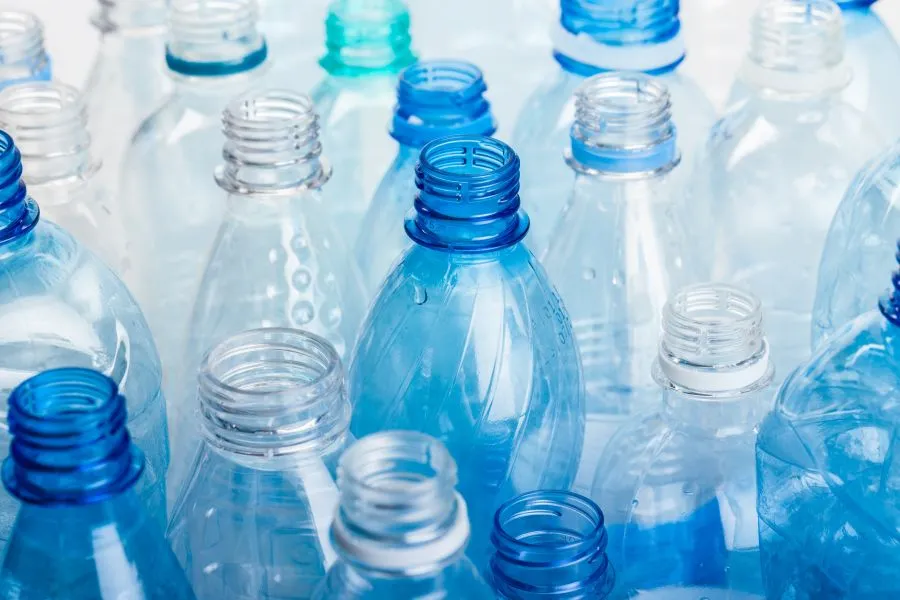 The EU laid out legislation for its PPWR, setting out circularity requirements for packaging materials and labeling.The European Commission (EC) approved International Paper’s acquisition of DS Smith. The EC’s clearance is conditional on International Paper committing to divest its box plants in France, Portugal, and Spain. We spoke to UK-based packaging analyst Neil Farmer who said that the deal allows DS Smith to continue its strong presence in Europe while benefiting the company with the “undoubted opportunities,” particularly in North America.
Coveris, Tetra Pak and Mondi: Barrier coating innovation bolsters packaging circular economy
Industry innovators created advanced barrier coatings that support the transition to readily recyclable materials. Innovation was particularly prevalent in paper-based packaging, which was widely regarded as a more recyclable alternative to plastics within existing waste management systems. We interviewed Coveris, Tetra Pak and Mondi to understand how these industry leaders are approaching challenges and advancing barrier coatings.
P&G accused of “greenwashing” and “misleading” consumers with on-pack sustainability claims
Hagens Berman, a class-action law firm headquartered in Seattle, US, filed a lawsuit against Procter & Gamble (P&G), the parent company of Charmin toilet paper. The lawsuit alleges that Charmin’s packaging makes unsubstantiated sustainability claims, including the misleading use of the Rainforest Alliance frog seal. We spoke to Steve Berman, a managing partner at Hagens Berman, about the lawsuit.
February
Packaging Innovations 2025: UK’s “game-changing” EPR leaves plastic suppliers concerned
Innova Market Insights revealed its Top Packaging Trends 2025, with “Connected Platforms” taking center stage. Connected technologies were widely expected to transform the packaging value chain, from waste management to brand-consumer engagement, by converting packaging into digitalized platforms. The emergence of AI systems was expected to enhance and expedite the industry shakeup.
Coca-Cola weighs packaging shift as US tariffs drive up aluminum costs
US President Donald Trump signed proclamations to close existing loopholes and exemptions, effectively restoring a 25% tariff on steel imports and raising the aluminum tariff to 25%. In response, Coca- US President Donald Trump imposed a 25% import tariff on steel and aluminum in February.Cola sought to adapt to the rising aluminum costs by exploring alternative packaging materials, including PET bottles. A Coca-Cola spokesperson told us that the company considers where its supply is from, describing pricing as key.
Packaging Innovations 2025: UK’s “game-changing” EPR leaves plastic suppliers concerned
The UK’s EPR dominated discussions at Packaging Innovations 2025. The scheme administrator for packaging EPR (pEPR), Pack UK, announced itself at the event, describing the regulation as a “game-changer” for the country’s packaging circular economy. However, the British Plastics Federation (BPF) warned of the likely damaging impacts on plastic packaging businesses. We spoke to Pack UK and BPF to get a clearer picture.
Danone lawsuit: Food giant revises plastics vigilance plan after agreement with NGOs
Danone reached an agreement with the coalition of environmental NGOs that initiated a lawsuit against it. The NGOs accused the multinational of failing to comply with France’s laws regarding its plastic use, the majority of which comes from packaging. The agreement follows a mediation ordered by the Paris Judicial Court. As a result, Danone updated its vigilance plan to include risk mitigation and prevention strategies.
Amcor and Berry Global shareholders approve business combination
Amcor and Berry Global Group combined their businesses by mid-calendar year 2025, subject to closing conditions. The packaging giants aim to establish a “global leader” in consumer and healthcare packaging solutions, combined with material science and innovation capabilities.
March
ChemSec: European Commission could “water down” legislation and allow toxic substance integration
The EC came under fire for proposing changes to its Green Taxonomy, which was said to allow thousands of potentially harmful substances to enter packaging and cosmetics products under the guise of being “green.” Campaigners at ChemSec warned the EC’s latest proposals could derail the European investment market for sustainable products.
California EPR: Scaling recycling infrastructure as pressure for film producers rises
 Hagens Berman filed a lawsuit against Amazon Basics, accusing it of “misleading” consumers by falsely advertising its paper products as eco-friendly.The California Department of Resources Recycling and Recovery decided on its Plastic Pollution Prevention and Packaging Producer Responsibility Act (SB 54). For producers of film and flexible packaging, SB 54 has established rapid timelines, pressuring the industry to develop a compliance strategy by April 2026. Packaging Insights sat down with Katherine Huded, executive director of material systems at The Recycling Partnership, a US-based NGO focusing on recycling systems, to discuss the SB 54.
Recycling in Australia: Chemical recycling expands amid plastic waste challenges
Australia’s chemical recycling is in its early stages but is increasingly gaining in popularity as a complementary solution to mechanical recycling, according to Toby Manners, CEO of GPT Circular, a plastic waste management company based in Australia and Indonesia. To scale up these technologies, GPT Circular announced a “landmark” agreement with iQRenew, an advanced waste recovery company.
Amazon Basics accused of “misleading” consumers and contributing to deforestation
Hagens Berman filed a lawsuit against Amazon’s private label, Amazon Basics, accusing it of “misleading” consumers by advertising its paper products as eco-friendly despite concerns over pulp-sourcing practices. The US class-action law firm alleges that Amazon is contributed to deforestation. We interviewed Steve Berman, managing partner at Hagens Berman, to learn more about the lawsuit.
Huhtamaki president: Achieving recyclability amid food waste and hygiene concerns
Food packaging technology can help minimize waste by extending product shelf life. However, consistent sustainability regulations must be accompanied by assessments of their potential economic, environmental, and social impacts, according to Fredrik Davidsson, president, Fiber Foodservice E-A-O, at Huhtamaki. Davidsson highlighted food waste as a prominent global issue amid climate change concerns.
April
Empack 2025 review: Automation and robotics proliferate amid labor shortages
Specialized labor shortages in the packaging industry were a widely discussed issue at Empack 2025 in the Netherlands. We explored solutions to this growing problem with Fanuc, Smart Robotics, and Mosca. These companies showcased robots, cobots, and other automation machines at the event and told us how their solutions can support warehouse operations and guarantee compliance with the latest regulations.
EU agrees on first ever plastic pellet regulation, but NGOs warn of loopholes
The EU Council and the European Parliament provisionally agreed on a regulation to tackle environmental pollution with plastic pellets — an industrial raw material used in plastic products. We discussed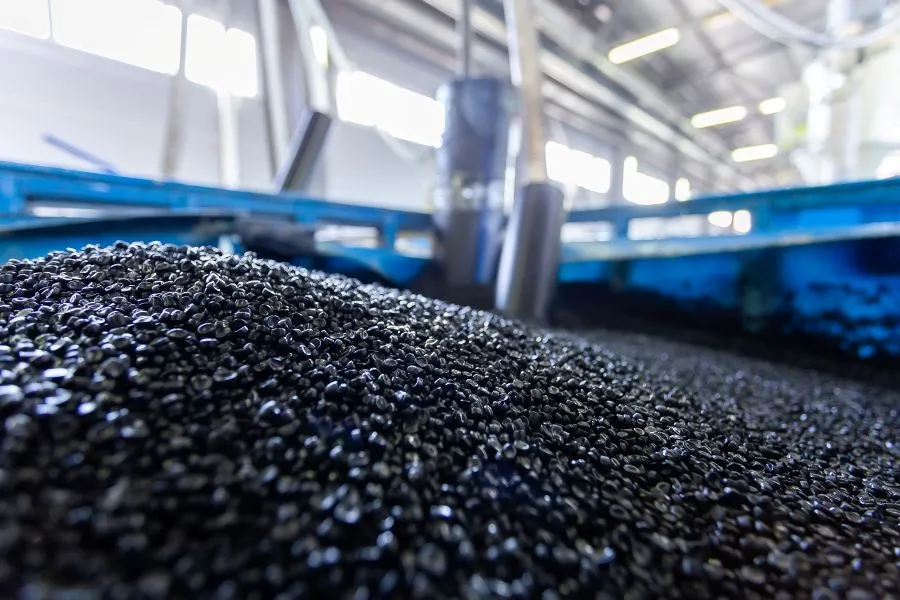 The EU agreed on its first-ever plastic pellet regulation to tackle environmental pollution.what packagers can do to prevent pellet spillage with the Environmental Investigation Agency and the Brussels-based NGO Seas At Risk.
New York packaging waste bill gains momentum but businesses want protection
The Packaging Reduction and Recycling Infrastructure Act moved through the US legislative process in New York. While advocates supported the packaging bill for addressing the growing issue of packaging waste in New York, industry lobbyists opposed it and wanted to see businesses protected. We spoke to Beyond Plastics to learn more about the bill.
Bali, Indonesia, banned the production and distribution of plastic water containers smaller than one liter. While environmentalists applaud the ban, they also call for local waste management infrastructure investments and bottle refill stations. Sungai Watch, an environmental NGO based in Bali, told us more about what is needed to improve regional plastic circularity.
Clorox fined for “misleading” ocean plastic claims in home care products
Australia’s Federal Court sentenced Clorox Australia (Clorox) to pay a penalty of AU$8.25 million (US$5.24 million) for making “false or misleading” representations to consumers by stating that certain Glad kitchen and garbage bags were partly made of recycled ocean plastic. The fine followed legal action by the Australian Competition & Consumer Commission.
May
Amcor and Berry Global complete historic business merger
Amcor completed its all-stock combination with Berry Global. The business merger offers new growth opportunities and yields an estimated US$650 million in synergies. Earlier in the week, the European Commission had granted the two packaging leaders antitrust approval for their business combination.
European watchdog takes Iceland to court over waste management failings
Iceland is facing court proceedings for not meeting European Economic Area waste management targets. However, according to Icelandic professor Guðmundur Kristján Óskarsson, the country’s recycling streams are improving despite infrastructure and sparse population challenges. We spoke to Óskarsson, associate professor at the School of Health, Business, and Natural Sciences at the University of Akureyri, and an ESA spokesperson about the country’s Municipal Solid Waste services and the legal proceedings.
China unveils packaging regulations to tackle waste and boost recycling in express delivery sector
 China revised its express delivery regulations to encourage biodegradable and reusable material use.Chinese Premier Li Qiang signed a decree of the State Council to publish a revised edition of regulations on the express delivery sector, which took effect on June 1. The revised rules encourage using biodegradable and reusable materials. We spoke to Hali Tsao, an operations manager at a self-service parcel station in Chongqing, to hear more about China’s express delivery sector.
UK DRS: Industry welcomes scheme operator and urges timely implementation
The UK Government, the Department of Agriculture, Environment and Rural Affairs of Northern Ireland, and Scottish ministers selected the UK Deposit Management Organisation (UK DMO) as the DRS operator for England, Northern Ireland, and Scotland. We sat down with Sarah Horner, UK and Ireland director at Reloop, to discuss what the industry expects from UK DMO.
PepsiCo’s reusable packaging rethink stirs waste management debate
PepsiCo scrapped its 20% reusable packaging by 2030 target. Instead, the company will follow a broader agenda aimed at 97% of its packaging being reusable, recyclable, or compostable by the same deadline. PepsiCo plans to focus on packaging markets “where it anticipates its initiatives will have the greatest positive effect,” but waste management associations and environmental NGOs voiced mixed responses to the change.
June
EU may revoke “greenwashing” directive, NGOs call for consumer protection
The European Commission (EC) announced plans to withdraw the European Green Claims Directive to reduce the administrative burden of providing on-pack consumer information for micro businesses. The decree was proposed in 2023 to combat greenwashing. We spoke to the EC and environmental NGOs to hear more.
California EPR: “Toughest” US packaging bill under fire for delays and loopholes
California’s Plastic Pollution Prevention and Packaging Producer Responsibility Act had drawn criticism from businesses who opposed rising financial burdens, and environmental advocates who argued the packaging bill does not go far enough. We spoke with the California Department of Resources Recycling and Recovery and national organizations Plastic Pollution Coalition and The Last Plastic Straw to explore the latest developments surrounding the bill.
New York State Assembly fails to pass Packaging Reduction and Recycling Infrastructure Act
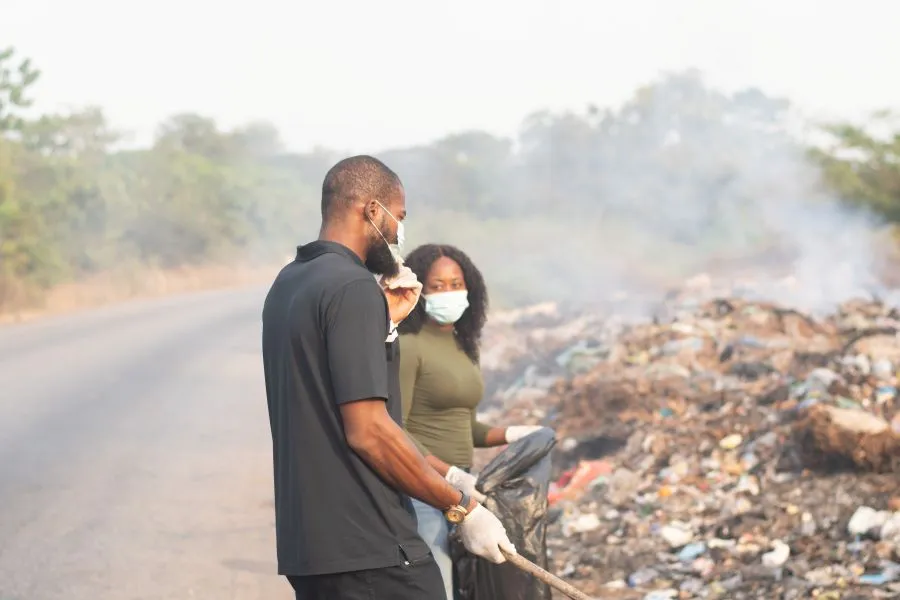 Effective waste management strategies in Africa continue to be hindered by imported waste and lack of recycling infrastructure.New York State did not pass the Packaging Reduction and Recycling Infrastructure Act, which would have required the packaging industry to pay a tax for the disposal of plastic waste. Tuesday marked the end of the legislative session, but for the second consecutive year, the State Assembly did not hold a vote on the proposed law. We spoke to Jackie Nuñez, advocacy and engagement manager at the Plastic Pollution Coalition and founder at The Last Plastic Straw, about the voting outcome.
African Development Bank: Tackling waste management challenges with regulations and investments
Effective waste management strategies across Africa continue to be hindered by imported waste, lack of recycling infrastructure, and fragmented policies, according to Sarra Ovuike, chemicals and waste specialist consultant for the African Development Bank (AfDB). Packaging Insights spoke to Ovuike about Africa’s waste management challenges, including fractured policy and “deeply rooted challenges” that hinder progress toward efficient packaging recycling
Recycling in India: Environment agency flags national policy loopholes and illegal imports
A recent report by the Environmental Investigation Agency (EIA) found some stakeholders in India are undermining the country’s EPR framework by exploiting regulatory loopholes and following outdated practices. Amy Youngman, legal and policy specialist at EIA, told us more about India’s EPR regulation and its informal recycling sector.
July
US-EU tariff deal: Packaging industry faces supply chain shocks and energy transition challenges
The US Government and the EU announced an import tariff deal, imposing a 15% tariff on most goods entering the US from Europe, with the exception of steel, which is still taxed at 50%. While the agreement may have diffused a trade war, it risks sidelining shared priorities such as climate targets, circularity, and harmonized safety standards.
UAE trials EPR for circular packaging economy and waste reduction
The UAE announced a pilot EPR project that mandates producers take responsibility for disposing of their packaging waste. Packaging Insights spoke to Mark Siddorn, strategic planning and business performance director at Tadweer Group, the pilot EPR’s producer responsibility organization, about the company’s involvement in EPR and expectations of the pilot scheme.
Australia delays packaging EPR amid calls for clarity and fairness
 Australia delayed its packaging EPR amid stakeholder calls for clarity and fairness.The Australian Packaging Covenant Organisation (APCO) announced it will not proceed with its proposed EPR fee model in the 2027 fiscal year. The move followed stakeholder demand for greater regulatory certainty and free rider management. APCO stated that while there was “strong support” for the intent of EPR, stakeholders called for more governance and greater transparency.
Tetra Pak’s partnership with Fiat follows skepticism on cross-industry dipping
Fiat became the first car manufacturer to incorporate recycled materials from used beverage cartons in a vehicle. The automobile manufacturer used polyAI from Tetra Pak and other aseptic carton producers. While Tetra Pak said the initiative promotes circularity, Paul Foulkes-Arellano, founder and director of Circuthon Consulting, referred to the collaboration as a “PR move.”
Norway DRS: Tax model and consumer education spur high collection rates
We delved into Norway’s DRS model, which features a unique tax model that incentivizes producers and retailers to collect and recycle packaging, promoting material reuse. Kjell Olav Maldum, managing director at Infinitum, the private company that facilitates the country’s DRS, told us about Norway’s successful deposit system, highlighting its latest innovations and challenges.
August
INC-5.2 ends in “abject failure,” final round of plastic treaty talks conclude without agreement
The INC-5.2 negotiations failed to create an internationally binding UN Global Plastic Treaty. After 11 days of discussions aimed at reaching a consensus on ending the plastic pollution crisis, member states and delegations remain deadlocked on specific issues such as reducing production and controlling toxic chemicals. We spoke to NGOs about their disappointment.
Australia considers soft plastic recycling scheme to improve circularity
The Australian Competition and Consumer Commission (ACCC) released a draft proposal to establish a “voluntary, industry-led” soft plastic packaging collection and recycling scheme. The Soft Plastics Stewardship Australia (SPSA) is expected to be in charge of the scheme, aiming to increase the collection of soft plastic packaging from consumers and its recycling.
German trade association sues Munich gin distillery for violating national DRS rules
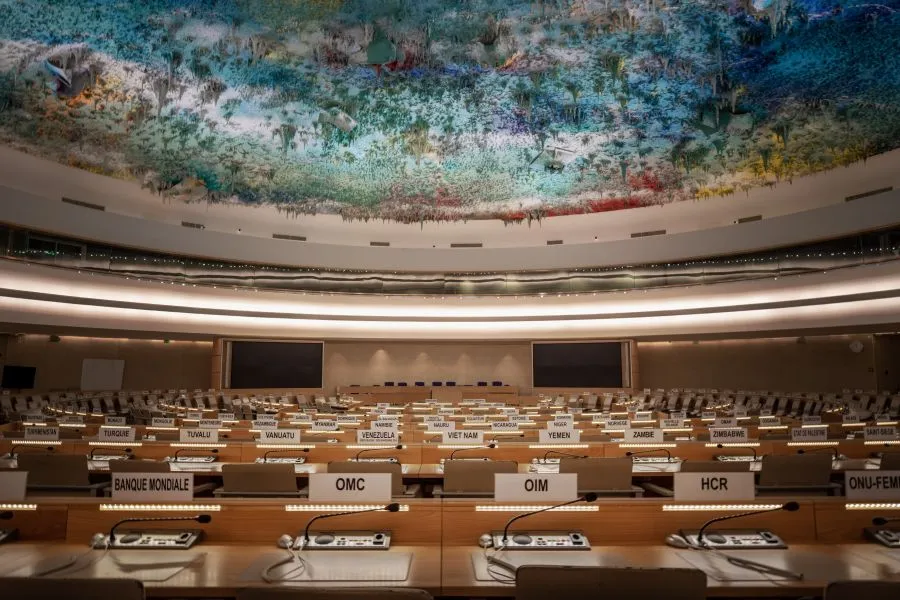 The INC-5.2 negotiations failed to create an internationally binding treaty as member states remained deadlocked on issues such as reducing production and controlling toxic chemicals.Munich-based gin distillery, The Duke, was sued by the “Verband Sozialer Wettbewerb”, the German trade association that monitors industry compliance, for breaking the country’s DRS rules for non-alcoholic beverages. After two court proceedings, The Duke lost the case and had to pay around €68,000 (US$79,500) in damages. We spoke to both sides of the lawsuit.
EU Waste Shipment reform aims to ease plastic recyclers’ recession struggles
The European Commission launched a public consultation as part of its new Waste Shipments Regulation, which came into force in May 2024. The revised regulation addressed EU exports of waste (including packaging waste) to non-EU countries and illegal shipments within the EU. It also plans to improve packaging waste traceability to facilitate recycling and reuse.
Electronic shelf labels support consumers, debunking surge pricing claims, finds study
Electronic shelf labels may offer benefits to low-income consumers and help reduce food waste, according to economists. This challenges lawmakers’ claims that the technology is a source of price gouging in grocery stores. The study found no evidence of price surges, even during periods of high inflation.
September
Global regulations overlook healthcare plastic packaging waste, says report
A new report warned that the single-use plastics in the healthcare sector, which have often been exempted from broader policies, are driving up costs, waste, and GHG emissions. The report identifies the environmental and financial impact of plastics in fluid bags and tubing, rigid device packaging, and pharmaceutical packaging. We sat down with Yoni Shiran, partner and plastics lead at Systemiq, to discuss why healthcare applications often remain exempt from packaging regulations.
Labelexpo Europe 2025 took place in Barcelona, Spain, in September. We spoke to five labeling and printing companies ahead of the trade show about key labeling innovations, sustainability strategies, and regulatory challenges shaping the industry. The representatives of Flint Group, Fujifilm, Herma, Hubergroup Print Solutions, and UPM Adhesive Materials told Packaging Insights about their solutions for recyclability, LED curing, digital printing, and resource efficiency.
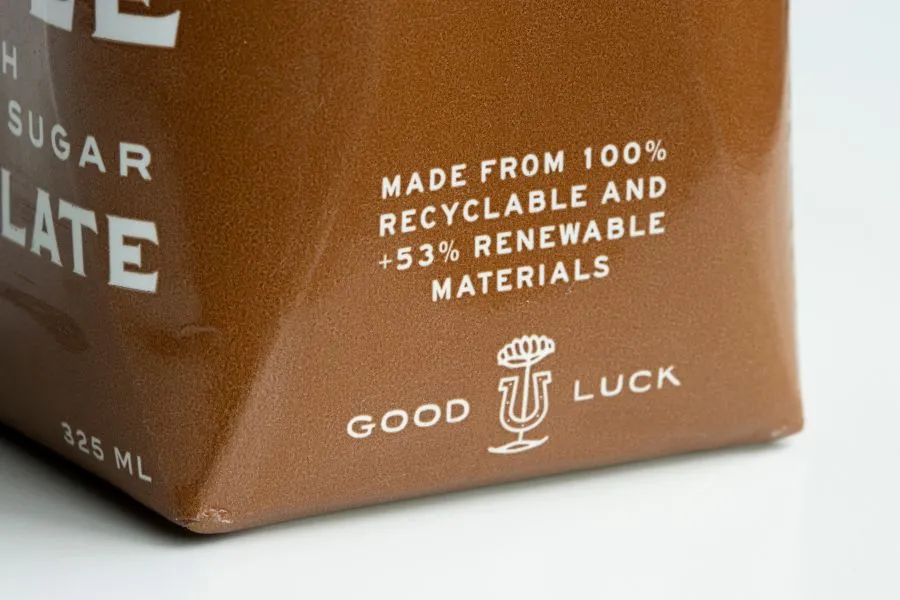 ClientEarth accused Nestlé Poland of greenwashing over “misleading” slogans like “I am recycling” on its Polish bottled water brand.One of the world’s leading trade shows for the beverage and liquid food industry, Drinktec, took place in Munich, Germany, in September. The industry showcased next-generation packaging and closure technologies. Highlights also included lightweight PET and glass designs, monomaterial sport caps, and advanced recycling-compatible labels and sleeves.
FachPack 2025 live: ProAmpac spotlights recyclable pouches and fiber-based solutions
ProAmpac showcased its portfolio of flexible packaging products at FachPack 2025 in Nuremberg, Germany, in September. On the show floor, the company discussed its recycle-ready pouches for pet nutrition and fiber-based solutions with broad applications in personal care, fresh produce, and food to-go. ProAmpac presented its ProActive Recyclable RT-4000 retort pouches for high performance and filling line efficiency.
Nestlé Poland faces greenwashing lawsuit over “misleading” recycling claims on bottled water
ClientEarth accused Nestlé Poland of greenwashing over “misleading” slogans on its Polish bottled water brand Nałęczowianka. Nestlé Poland opposes the allegation, telling Packaging Insights that it will “vigorously defend” its position in court. According to ClientEarth, phrases on the bottled water, such as “I am recyclable”, create a “false impression” about the environmental benefits of single-use plastic.
October
European Commission plans to raise plastics levy, industry groups warn of deindustrialization
The EU introduced the Plastics Own Resource levy, known as the EU Plastics Levy, in 2021 to help finance circularity endeavors. The EC proposed raising the tax by 25% from €0.80 (US$0.94) per kg of waste to €1 (US$1.17). We spoke to Marco Musso, deputy policy manager for Circular Economy and Fiscal Reform at the European Environmental Bureau, and Joan Mark Simon, founder at Zero Waste Europe, about the potential industry effects of a levy raise.
Türkiye lifts ban on recycled plastic in food contact materials
The Turkish Ministry of Agriculture and Forestry amended its 2018 Food Codex Regulation on Food Contact Substances and Materials, stating that recycled plastic can now be used in food packaging. The amendment also includes new rules for the reprocessing of plastic production scraps. According to the regulation amendment, “recycled plastics may be used to produce materials and articles intended to come into contact with food.”
Anuga 2025 review: Alu-free cartons, connectivity & monomaterials dominate
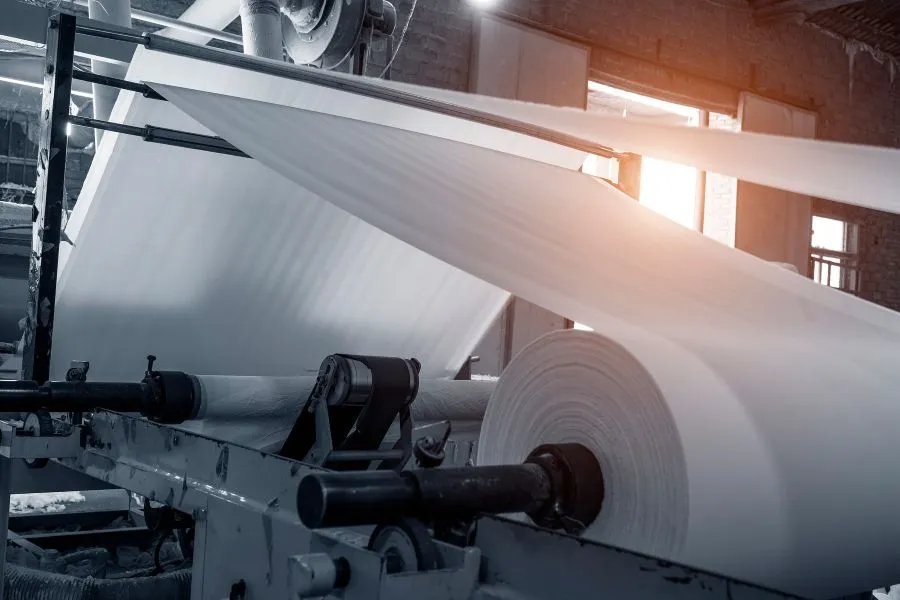 The recent US tariffs on paper and pulp may trigger a zero-sum dynamic, according to Rabobank.The 2025 agro-food trade show Anuga in Cologne, Germany, broke previous attendance records, attracting over 8,000 exhibitors and 145,000 visitors. Packaging developers took advantage of the opportunity to discover and showcase innovations tapping into the latest trends in F&B packaging. On the trade show floor, Packaging Insights spoke to SIG Group, info.link, Vergeer Holland, and Daesang, about their latest solutions.
Rabobank reveals which countries could win or lose from US containerboard tariffs
The recent US tariffs on paper and pulp may trigger a zero-sum dynamic, with rising prices and costs pushing trade flows toward cheaper, lower-tariff partners like Canada and Brazil, according to Xinnan Li, senior analyst for Packaging and Logistics at RaboResearch. We sat down with Li to understand how the US tariffs on pulp and paper are predicted to shape the containerboard industry.
California settles lawsuit over false recyclability claims on plastic bags
The California Department of Justice (DOJ), US, settled a three-year investigation into Revolution Sustainable Solutions, Metro Poly, PreZero US Packaging, and Advance Polybag for false recyclability claims and the sale of non-recyclable plastic bags in the state of California. Packaging Insights spoke to the State of California’s DOJ about the settlement and its continued push for recycling transparency.
November
UK government moves to amend packaging EPR while industry ponders costs
The UK government introduced draft amendments to the country’s pEPR before the UK Parliament. The amendments include offsets for companies implementing closed-loop waste management, fee adjustments, and fiber-based definitions. The pEPR fees came into effect at the start of October. We spoke to Ecosurety and the British Retail Consortium to explore the latest pEPR debates in the UK.
P&G lawsuit over misleading toothpaste packaging in the US moves forward
Procter & Gamble (P&G) was sued in the US over its Kid’s Crest toothpaste packaging, alleging it incorrectly promotes unsafe amounts of toothpaste for children. The toothpaste packaging in question features an image of a full strip of toothpaste on a toothbrush, accompanied by the seal of approval from the American Dental Association. Fluoride, in small controlled amounts, provides certain dental benefits. However, excessive fluoride exposure is unsafe, especially for children, who often swallow toothpaste during brushing. We took a closer look at the case.
Ineos faces new lawsuit over Project One as NGOs cite “alarming” plastic, emission and health risks
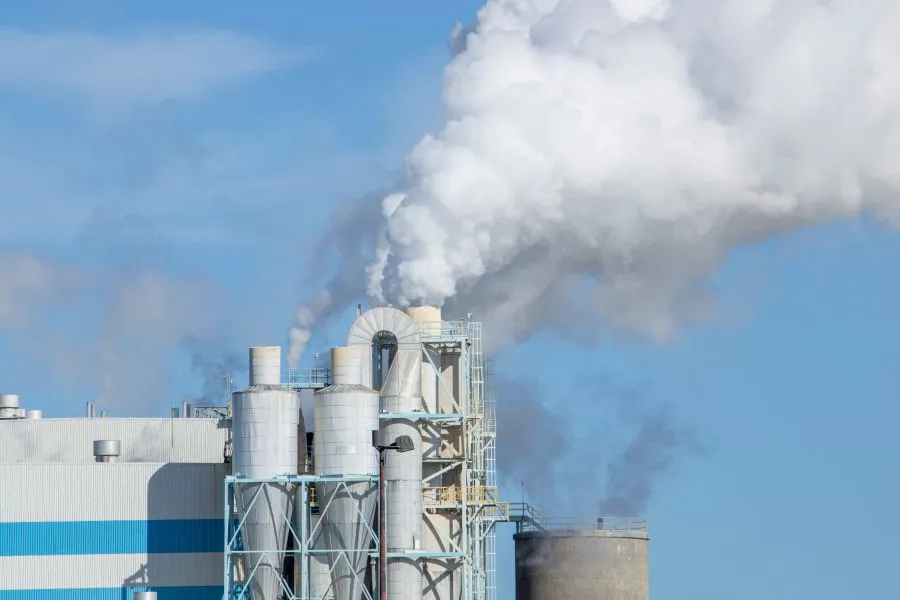 Ineos faced a new lawsuit over Project One as NGOs cited “alarming” plastic and health risks.NGOs and community groups launched a new lawsuit against Ineos’s plastics facility in Antwerp, Belgium, and warned of fracking health issues, accelerated carbon emissions, and early deaths from pollution. Project One, which is currently under construction, is an ethane cracker representing the largest investment in the European chemical sector in over 25 years. We spoke to Ineos and environmental charity ClientEarth to hear more about this latest lawsuit.
Sealed Air’s US$10B buyout: How private ownership could reshape the packaging leader
Sealed Air entered into a definitive agreement in which it will be acquired by funds affiliated with CD&R. The private investment firm will purchase the food and protective packaging giant for US$10.3 billion. Packaging Insights sat down with industry analyst Neil Farmer about how this major acquisition could affect Sealed Air’s packaging innovation pipelines.
FEVE warns EU PPWR undermines regional glass industry and discourages design innovation
The European Container and Glass Federation (FEVE) has warned that the EU’s Packaging and Packaging Waste Regulation (PPWR) could “negatively impact” the glass manufacturing industry. We sat down with FEVE to hear how PPWR risks creating legal uncertainty, discouraging investment and design innovation, and shifting production outside the EU.
December
Packaging manufacturers began creating products that blend the magic of Christmas with sustainability and functionality, ensuring festive appeal, recyclability, and effective product protection during transport. We spoke with DS Smith, Pure Trade, and Hunter Luxury to discuss the latest innovations in Christmas packaging, exploring the demand for paper-based solutions, as well as the balance between aesthetics and functionality in seasonal personal care and snack packaging.
The global production of bioplastics is rising amid regulatory adoption barriers, according to presenters at this year’s European Bioplastics Conference 2025 (EBC25) in Berlin, Germany. Packaging Insights attended the panel “Market Pulse and Industry Update: Global Trends and Insights.” Pia Skoczinski, senior expert for technology and markets at nova-Institute, and Hasso von Pogrell, managing director at EB, discussed the report findings and implications.
ProAmpac to acquire TC Transcontinental Packaging for US$1.51B
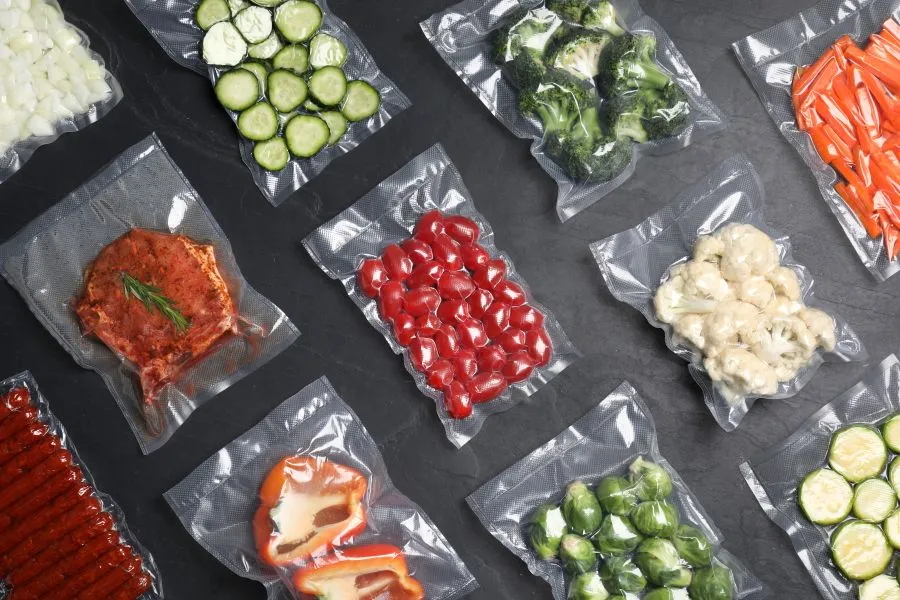 ProAmpac purchased TC Transcontinental Packaging, expanding its global footprint in sustainable packaging and material science expertise.ProAmpac is purchasing TC Transcontinental Packaging (TCP) from TC Transcontinental. The acquisition was said to expand ProAmpac’s global footprint in sustainable packaging and material science expertise. ProAmpac signed a definitive agreement to purchase the North American flexible packaging company for US$1.51 billion, subject to customary adjustments for debt and debt-like items, cash, and net working capital.
ArcelorMittal confronted over emissions strategy as demand for green steel proliferates
Opportunity Green filed a complaint against ArcelorMittal, Europe’s largest and the world’s second largest steel producer. The NGO called on ArcelorMittal to publish a revised climate strategy that addresses its “massive” climate impact. We spoke to both sides to get a clearer picture of the case.
Bioplastics expansion faces reality check on cost, infrastructure & consumer adoption
As bioplastics innovation offers an increasingly viable alternative to fossil fuel-based plastics, experts are divided over whether bioplastic adoption is realistic, raising concerns about scalability, cost, and consumer adoption. We explored the potential of scaling bioplastics, particularly in lower-income countries, with Antonio Ordovás, packaging researcher at Aimplas, and Dr. Gert-Jan Gruter, chief technology officer at Avantium.