


USDA rejects synthetic compostable packaging for organic farm use
Key takeaways
- The USDA has voted against adding synthetic compostable materials to the National List due to concerns over contamination from PFAS and microplastics.
- The decision follows a petition by the BPI to allow compostable packaging as compost feedstocks in organic farming.
- The NOSB rejected the proposal, citing environmental uncertainty and potential health risks.
The United States Department of Agriculture (USDA) has voted against adding synthetic compostable materials, such as those from biodegradable packaging, to the National List of Allowed and Prohibited Substances due to potential PFAS and microplastics contamination.
The decision follows a three-year campaign by the Biodegradable Products Institute (BPI) to get the USDA to allow the use of certified compostable materials as compost feedstocks for organic farming.
However, after an investigation, the National Organic Standards Board (NOSB) — an advisory board created by the USDA to help develop organic standards — unanimously voted against the motion, with 12 “no” votes and three absences.

“At the most recent NOSB meeting, the board voted on a motion to add synthetic compostable polymers to the National List of synthetic substances allowed in organic agriculture, completing its work in response to a petition for rulemaking from the BPI,” a USDA spokesperson tells Packaging Insights.
“The motion failed unanimously: 12 ‘no’ votes and three absences. The USDA is considering the petition for rulemaking and the board’s related recommendations on this topic and is evaluating possible next steps. The current USDA organic regulations related to compost remain the same at this time and will not change until the USDA publishes a new policy.”
The National List stipulates what materials can and cannot be used in organic agriculture. The USDA cannot add a synthetic product to the National List without a recommendation from the NOSB.
Compostable feedstock
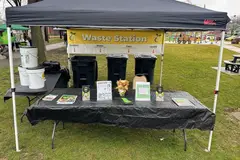
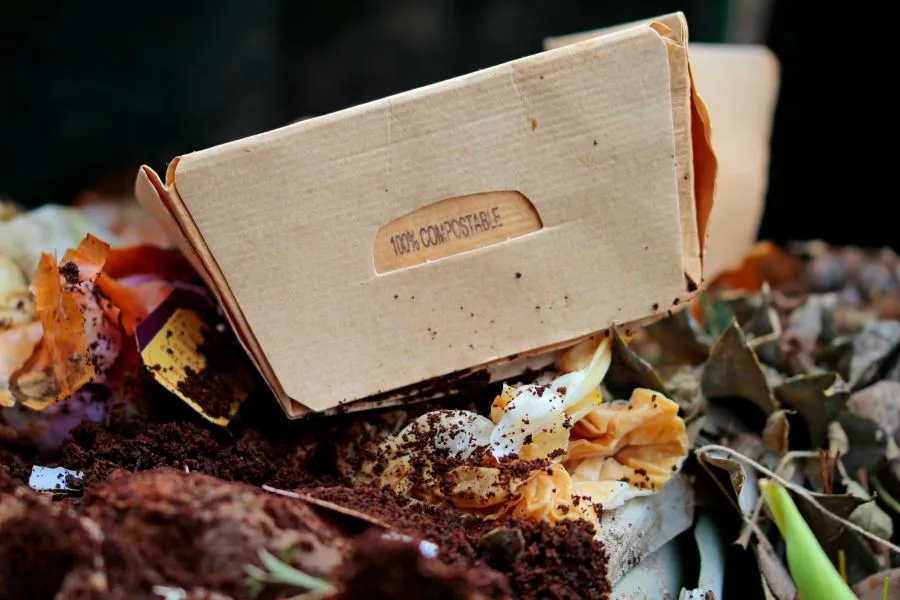
The BPI advocates for allowing synthetic, certified compostable materials as compost feedstocks, suggesting that compostable packaging, such as bioplastics, should be included in composting systems.
After use and disposal, these materials can be added to compost piles, where they break down into organic matter.
 The USDA spokesperson says organic farmers already have sufficient compost sources for their farms.According to the NOSB, synthetic compostables “fail [to meet] National List criteria.” The advisory board states that concern over human health was one factor influencing the decision to reject synthetic compostable polymers.
“Undisclosed additives, including plasticizers and PFAS, are common in compostables and may persist through composting,” says the NOSB.
Unharmonized landscape
The NOSB highlights that the “environmental uncertainty” of synthetic compostable polymers due to “proprietary formulations, evolving materials, and variable field performance” can make accurate assessment challenging.
The USDA spokesperson adds: “Public comments received during NOSB discussions on compost suggest that organic farmers already have sufficient sources of compost for their farms.”
Moreover, the NOSB argues that compostable synthetics are difficult to distinguish from non-compostable synthetics, making separation “impossible” and potentially contaminating the feedstock.
It says that US composters are currently screening all types of plastics, whether made of compostable materials or PE polymers, to avoid contamination, “which demonstrates a lack of necessity as compost feedstocks.”
The NOSB recommends a case-by-case review of synthetic compostable polymers.
The spokesperson concludes: “Packaging companies are encouraged to participate in the NOSB public comment process to share potential topics of interest that have touchpoints with organic agriculture and the Organic Foods Production Act.”
Bioplastic solutions are increasing as the industry and consumers seek material alternatives that can mitigate the carbon footprint of virgin plastic. However, they can often be challenging to dispose of. One disposal method is composting, but experts are divided because not all bioplastics are compostable, and scaling the composting technology can be challenging.