

Zero Waste Europe urges toxic-chemical controls under EU Circular Economy Act
Key takeaways
- Zero Waste Europe calls for the EU’s Circular Economy Act to regulate and trace toxic chemicals across product supply chains.
- The NGO warns non-alignment with the Chemicals Strategy for Sustainability could pose public health risks.
- Proposals include Digital Product Passports, upstream transparency, and eco-modulated EPR fees to incentivize safer design.

A recent report by Zero Waste Europe has urged the EU’s upcoming Circular Economy Act (CEA) to regulate, trace, and increase transparency in the production and supply chains of products, including packaging, featuring toxic chemicals harmful to human health.
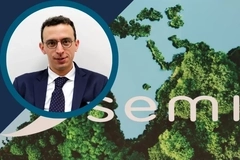
Packaging Insights speaks to Dorota Napierska, toxic-free circular-economy policy officer at Zero Waste Europe, about the challenges of creating a “toxic-free” circular economy for multimaterial packaging formats amid rising consumer concern about harmful chemicals.
Common chemicals found in packaging that can be considered harmful include PFAS used in grease-resistant coatings, bisphenols (such as BPA) in plastics and can linings, and phthalates used as plasticizers to improve flexibility.

The report, “Building a healthy circular economy: Integrating chemicals, products and waste under the Circular Economy Act,” argues that the CEA must align with the EU’s recent Chemicals Strategy for Sustainability in order to “avoid a future public health crisis” caused by harmful chemicals.
“A toxic-free circular economy is realistic, but it requires a significant shift in how the overall food packaging system works,” explains Napierska.
“The assumption that a transition to a safer, circular economy in the packaging sector is impossible without compromising food safety, shelf life, or increasing food waste (what we often hear) is merely an assumption, without any solid evidence.”
She highlights that documentation for chemicals in packaging is “nearly nonexistent,” explaining that chemical traceability starts with full transparency and detailed information from upstream stakeholders.
Traceability tradeoffs
 Documentation for chemicals in packaging is “nearly nonexistent,” says Napierska.The report calls for binding traceability requirements along the value chain, with substances of very high concern clearly defined in the EU’s Digital Product Passport (DPP).
Napierska notes that packaging traceability is hampered by access to information, even through formal systems such as an obligatory declaration of compliance.
“While the information requirements include the identification of the materials and substances, information is rarely shared due to ‘confidentiality’ issues declared by the chemical and materials manufacturers,” she says.
Often, testing packaging is the “only possible” way to ensure it is free of toxic chemicals or to spot any production issues, explains Napierska.
“Without a doubt, such testing and monitoring of mixed material flows, virgin materials, and recyclates, for large numbers of hazardous chemicals, is resource-intensive and expensive. This undoubtedly creates an excessive burden on small and medium-sized enterprises (SME), distributors, and recyclers.”
However, despite short-term costs, companies should reflect on the mid and long-term benefits of increased transparency, “which should result in lower testing costs,” argues Napierska.
Upstream engagement
In addition, Zero Waste Europe notes that a circular economy requires action by upstream stakeholders to ensure products are safe for human health. Moreover, it advocates that products should be designed for recycling, with downstream stakeholders responsible for increasing safety and consumer trust in recycled materials.
Napierska says: “We believe that if upstream stakeholders are properly engaged, and the system responsible for the operational DPP is well designed and user-friendly, SMEs and recyclers will not be overburdened.”
 According to Zero Waste Europe, upstream stakeholders should recognize the added value of digital tools for traceability.At the same time, suggests Napierska, upstream stakeholders should recognize the added value of digital tools that provide access to better product information, “which is essential if they want their own product to meet legal requirements, proof of compliance, and support to decision making/high-quality recycling operations.”
Ecomodulation fees for chemicals
Another recommendation in Zero Waste Europe’s report is the introduction of ecomodulation fees into the European EPR system, which could incentivize the use of safe chemicals and encourage the design of toxic-free products.
“Ecomodulation isn’t really about penalties, but rather about creating incentives for better design, as well as making producers economically responsible for the pollution and treatments of their products, including hazardous chemicals.”
Napierska adds: “It has been largely externalized so far, and carried by public authorities through waste management costs. While packaging may be essential, does this always mean that the harmful chemicals it contains are truly essential or have no alternatives?”
She adds that when questions like this are posited, material substitution is possible — if not with the chemicals, then with materials or differently designed packaging.
The EU’s CEA is currently in public consultation and is expected to progress toward a formal proposal in 2026.